Diet & lifestyle for fertility: fact vs myth

Few topics generate as many myths as the link between diet, lifestyle and fertility. The internet is full of “miracle” diets and supplements.
The truth is simpler and more encouraging: a few sensible, evidence-based changes can genuinely help — without extremes and without guilt.
How much does lifestyle affect fertility?
Lifestyle affects fertility, but it is neither a panacea nor a cause for guilt. Factors such as weight, smoking and diet have a measurable effect on natural conception and on IVF outcomes.
At the same time, many couples with an impeccable lifestyle face infertility for medical reasons beyond their control. Lifestyle changes improve the odds — they do not determine them absolutely.
Does body weight matter?
Yes, in both directions. Obesity (body mass index above 30) lowers the chance of conception and the live-birth rate after IVF, and increases obstetric risks. Even a modest weight loss can improve ovulation and outcomes.
But very low weight also affects fertility negatively. The goal is not perfection, but a healthy, stable weight.
Is there a “fertility diet” that works?
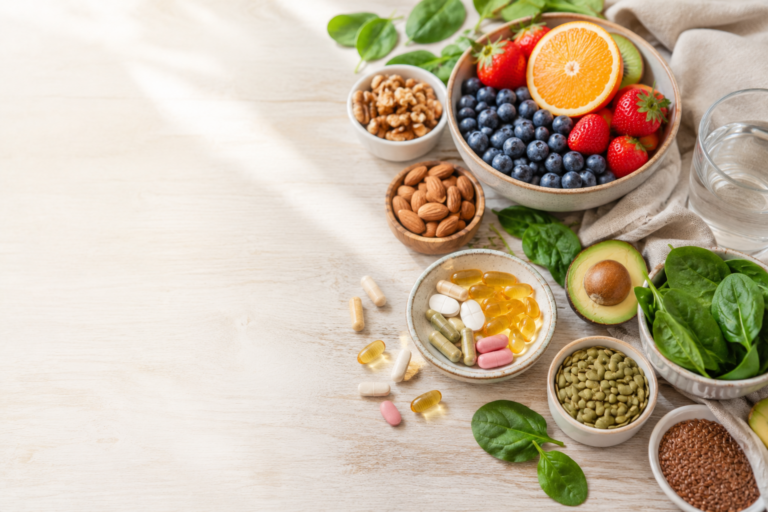
The best-supported dietary approach is the Mediterranean diet — rich in vegetables, fruit, legumes, fish, olive oil and nuts. A study of women undergoing IVF showed that good adherence to the Mediterranean diet in the months before treatment was associated with higher clinical-pregnancy and birth rates, especially in women under 35.
There is no exotic “superfood” that boosts fertility. The benefit comes from the overall pattern of a balanced, antioxidant-rich diet.
Smoking, alcohol and caffeine?
Smoking is among the most harmful and clearly documented factors: it reduces ovarian reserve, harms sperm quality and lowers success rates. Quitting is one of the most meaningful steps for both partners.
Alcohol is best substantially reduced or avoided while trying. Caffeine in moderate amounts (roughly up to 200 mg a day, i.e. 1–2 coffees) is generally considered acceptable; excessive intake is best avoided.
Which supplements have real benefit?
Folic acid is essential for every woman trying to conceive — not for fertility itself, but to prevent neural-tube defects in the baby. Vitamin D is worth correcting when deficient.
For supplements such as CoQ10, DHEA or inositol, the evidence is limited or conflicting; they may be considered in selected cases under medical guidance, not as a general rule. No “fertility vitamin” substitutes for a correct diagnosis and treatment.
What about the man?
Lifestyle counts equally for the man. Smoking, obesity, excess heat (saunas, a laptop on the lap), alcohol and anabolic steroids negatively affect sperm quality. Since sperm production takes about three months, positive changes need time to show.
Fertility is a matter for both partners — and both benefit from a healthy lifestyle.
Summary
Lifestyle affects fertility, but it is neither a panacea nor a reason for guilt. The best-supported steps are: a healthy, stable weight; a Mediterranean diet; stopping smoking; moderate or no alcohol and caffeine; folic acid and correcting vitamin D deficiency. Most “miracle” supplements lack strong evidence. The man counts equally. These changes improve the odds — they do not replace correct medical diagnosis and treatment.
⚕ Medically reviewed by Prof. Stratis Kolibianakis · Thessaloniki Medical Association Reg. No. 16340