
6 July 2026
IVF success rates: how to read them correctly
Success rates are among the first things every couple looks for, and rightly so. Unfortunately, they are also among the easiest to misinterpret or…
Read →Resources
Articles on IVF and the ovarian-stimulation protocols behind each cycle.
Success rates are among the first things every couple looks for, and rightly so. Unfortunately, they are also among the easiest to misinterpret or…
Read →
One of the first and most anxious questions for every couple is how many IVF attempts will be needed. The answer is not a…
Read →
More and more embryo transfers today are performed with frozen (vitrified) embryos, in a cycle separate from egg retrieval. The question that arises is…
Read →
A woman’s reproductive lifespan begins with menarche in early adolescence and ends with the menopause. During this window, around 15% of couples encounter difficulty…
Read →
In conventional IVF, after oocyte retrieval and fertilisation, the best embryos are selected for immediate transfer to the uterus — the so-called “fresh” cycle.…
Read →
The ultimate goal of IVF is to achieve pregnancy through the transfer of one or more embryos into the uterus. To reach that goal,…
Read →
The aim of pharmacological stimulation in IVF is to develop multiple follicles, so that multiple oocytes can be retrieved. From these oocytes several embryos…
Read →
Natural-cycle IVF needs no medication. We wait for the single follicle that grows naturally each month and, once it has matured, we retrieve the…
Read →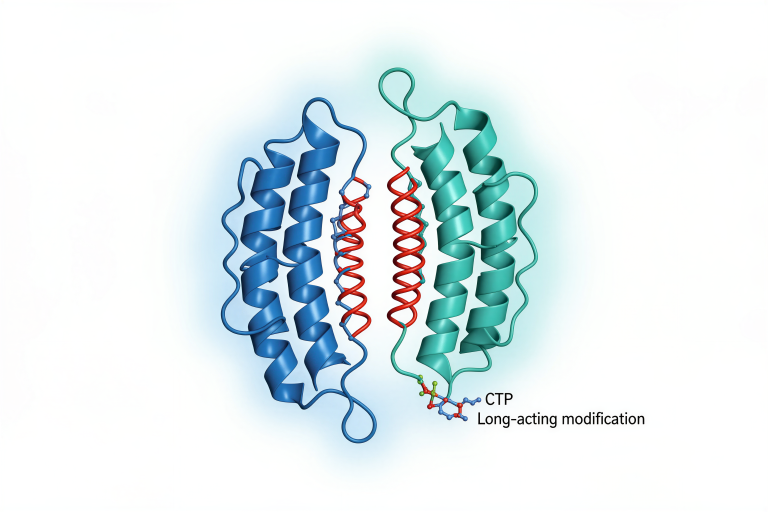
FSH is the hormone responsible for developing one follicle each month. In IVF we need several, so the woman takes daily FSH injections for…
Read →
The most serious complication of pharmacological stimulation in IVF is severe ovarian hyperstimulation syndrome (OHSS), which can develop after oocyte retrieval. In these cases…
Read →